How an Artificial Roofer Evaluates Weather-Related Roofing Risks
Weather does not harm every roofing similarly. 2 homes can sit on the exact same road, take the same storm, and come away with really various outcomes. That distinction usually boils down to style, installation quality, water drainage, exposure, and material choice. An experienced synthetic roofing contractor discovers to check out those variables quickly, due to the fact that weather risk is seldom just about what occurred last evening. It is additionally regarding what has actually been constructing for years.
That is particularly true with artificial roofings. Home owners usually select them for durability, look, and reduced maintenance compared with all-natural slate or cedar. Those are actual advantages, but no roof product is immune to negative assumptions. A high roof covering with superb blinking details and a well-installed synthetic system can take care of serious weather much much better than a premium product laid over inadequate decking or coupled with weak attic ventilation. A roof is a system, not just a shingle.
In locations with wide seasonal swings, that distinction matters much more. A synthetic roofer Chicagoland homeowners trust fund needs to believe over one's head kind of tornado. In the exact same year, a roof covering might encounter motoring rainfall, hail storm, quick freeze-thaw cycles, ponding at low-slope changes, ice damming at the eaves, and summer warm that tests development and air flow. Evaluating weather-related roofing system threats suggests researching how the entire assembly does under repeated stress and anxiety, not simply trying to find evident missing out on pieces.
Why artificial roof alters the evaluation mindset
Architectural artificial roof is commonly selected due to the fact that it mimics slate, shake, or tile while minimizing dead tons on the framework. That lighter weight can be a significant benefit, specifically during an artificial roof covering replacement on an older home where architectural alterations would certainly be pricey. However lighter weight additionally transforms how wind, securing patterns, and edge describing should be assessed.
A service provider inspecting natural slate tries to find broken stone, slid items, falling short copper, and load-related sagging. A service provider examining artificial roof covering roof shingles takes a look at those exact same important changes, however likewise pays very close attention to just how the product flexes, how it was fastened, whether it has actually started to crinkle or raise at the leading edge, and just how repeated thermal activity may be influencing infiltrations and flashings.
Premium artificial roofing items have a tendency to execute well when mounted to specification, yet the phrase "to requirements" carries a great deal of weight. Maker details for starter training courses, ridge vent combination, valley therapy, bolt placement, and underlayment compatibility are not fine print. They are the difference between a roof that disregards a difficult weather condition season and one that begins dripping in subtle, expensive ways.
The initial point a skilled contractor researches is exposure
Before climbing up a ladder, an excellent assessor invests a couple of mins on the ground. Direct exposure narrates. A home on an open whole lot without any tree canopy will certainly take much more direct wind and UV exposure than a house protected by neighboring structures. A home at the end of a long bring, such as the edge of a neighborhood backing to open savanna, commonly sees higher gust stress at edges and ridges. In the Chicago location, that matters. Wind does not require to get to headline-grabbing speeds to test a roof's weakest details.
Orientation matters also. South- and west-facing slopes usually mature faster because they take a lot more straight sun and harsher mid-day warm. North-facing inclines may hold moisture much longer, which can urge algae growth, freeze-thaw stress, and relentless moisture around particles pockets. When a synthetic roofing firm assesses risk, those slope-by-slope differences help anticipate where failing is probably to appear first.
The roofline additionally forms direct exposure. Dormers, intersecting gables, dead valleys, long rakes, and multi-level changes all create disturbance and drain focus. Synthetic roof covering for high-end homes usually entails complex geometry, and intricacy raises both visual value and weather risk. The more complex the style, the more important the information become.
Hail is hardly ever a simple yes-or-no diagnosis
Homeowners typically inquire about hail first, particularly after a storm. Naturally so. Hail storm damages audios simple, however it usually is not. On artificial roofs, impact response relies on the product formula, the size and density of the hailstorm, roof incline, ambient temperature, and whether the roof already had underlying vulnerabilities.
Some influences leave obvious visual marks, such as scuffs, crushed edges, leaks, or fractured tabs. Others create much less remarkable indications, like slight deformation around bolts, anxiety lightening, or bruising that appears just when seen at an angle or took care of carefully by a seasoned synthetic roofing contractor. The difficulty is dividing aesthetic wear from functional damage.
That judgment phone call issues because replacement choices bring actual cost. A professional with stability does not call every acne storm damage, and a cautious homeowner needs to watch out for anybody who does. On the various other hand, refined influence damage around hips, ridges, and exposed area areas can endanger water losing long prior to a leakage appears within. I have actually seen roof coverings that looked acceptable from the driveway, yet showed duplicated micro-fracturing in high-exposure sections when examined up close. Those roofs usually stop working during the following significant storm, not the one that initially damaged them.
In artificial roof Chicago projects, hailstorm assessment often overlaps with age and setup background. A more recent roofing with sound decking and proper underlayment might tolerate moderate hail storm very well. An older roofing, especially one with marginal attachment or breakable accessory components, can suffer disproportionate damages from the very same event.
Wind damages beginnings at the sides and moves inward
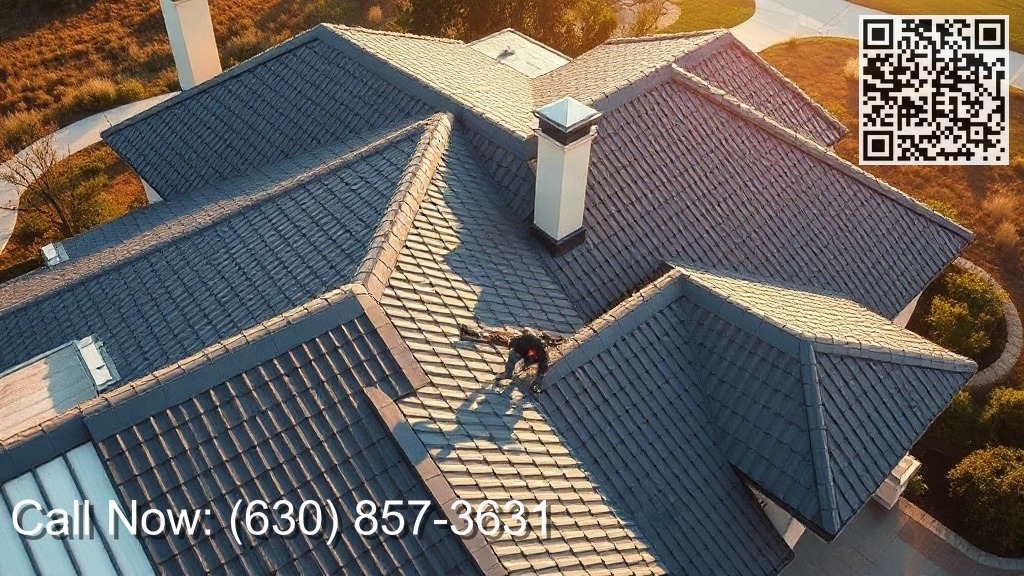
Wind does not attack a roof uniformly. It works with edges, eaves, ridges, and rake edges first. Negative pressure raises where resistance is weakest, after that repeated gusting broadens that weak point. On artificial roof installation projects, edge securement and starter positioning are some of one of the most essential factors in long-term storm resilience.
During inspection, a service provider tries to find little clues: a somewhat elevated leading edge, sealant failing where it must be bonded, bolts positioned too expensive, ridge caps with small displacement, or revealed underlayment at susceptible shifts. These are the type of issues homeowners nearly never observe from the ground, yet they are precisely what turn into blown-off areas throughout the following wind event.
This is one factor artificial roof covering installers that recognize local weather patterns have a tendency to surpass staffs that just understand how to make a roof appearance finished. In Chicagoland, wind-driven rain is usually as essential as wind uplift. If a detail permits capillary entrance or heartburn under stress, the roofing system can leak even without shedding visible pieces.
A contractor also looks at what is happening around the roof. Loose seamless gutters, displaced fascia wrap, curved drip side, and motion at smokeshaft blinking can all indicate that wind has already started to manipulate powerlessness. Roof covering threat is hardly ever isolated to the area product alone.
Freeze-thaw damage is one of the most underrated threats
Homeowners typically picture weather condition damages as dramatic and sudden. In truth, several roof failings are slow-moving. Freeze-thaw cycles are an excellent example. Water goes into a little space, rests, freezes, expands, thaws, then duplicates the procedure lots of times via a wintertime. Each cycle widens the opening, loosens bolts, or stresses nearby components.
Synthetic roofing systems typically take care of moisture much better than several conventional materials, however they are still prone where water sticks around. Valleys, sidewall transitions, roof-to-wall junctions, skylight curbs, plumbing vents, and chimney saddles are common trouble areas. If particles slows down water drainage or flashing was not incorporated cleanly at installment, winter will locate the mistake.
In synthetic roofing Naperville IL assessments, ice dam danger is a regular topic because the location sees sufficient snow and adequate temperature level fluctuation to make edge security critical. A professional does not simply search for the presence of ice guard. The evaluation goes even more. Just how far up the incline does it run? Was it mounted continuously at susceptible changes? Is attic room warmth loss adding to melt-and-refreeze patterns? Are consumption and exhaust air flow stabilized? Those questions issue due to the fact that ice dams are not brought on by roofing material alone.
I when checked out a high-end residence with premium synthetic roof covering that had actually established tarnishing along two upstairs bedroom walls. The shingles themselves were still in good shape. The genuine problem was a combination of insufficient attic room air sealing, irregular insulation, and a valley detail that caught slushy snow longer than it must have. The noticeable sign showed up inside your home, however the origin was a system dispute between heat motion, wetness, and drainage.
Drainage tells you greater than the roof shingles surface
A roofing system can have eye-catching synthetic roof covering roof shingles and still be high threat if drain is poor. Water holds your horses. It does not require a significant opening. It just needs rep and time.
That is why a skilled artificial roofing business spends significant attention on water courses. Valleys ought to relocate water cleanly without catching fallen leaves or overconcentrating overflow against delicate transitions. Cricket building and construction behind smokeshafts need to protect against standing water and drifting snow build-up. Rain gutters must have enough capacity and proper pitch. Downspouts ought to release effectively so wintertime back-up does not produce ice at the roof edge.
Drainage problems commonly turn up first as staining, granule-like debris from nearby products, mold near soffits, or repeated overflow marks on house siding. On multi-level roof layouts, top sections can unload amazing water volume onto lower attractive locations. This prevails in artificial roof for deluxe homes where visual roofing system intricacy can unintentionally create focused wear zones. A contractor examining climate danger needs to assume hydraulically, not just cosmetically.
Attic problems typically validate what the outside suggests
Exterior evaluation can identify likely failure factors, yet attic conditions usually confirm the medical diagnosis. A contractor assessing weather-related roofing system threats will certainly search for dark sheathing, rusted nail ideas, mold-like development, pressed insulation near eaves, frost deposit, or indications of repeating dampness around infiltrations. These indicators assist separate a single event from a persistent issue.
Poor air flow continues to be among the most significant hidden liabilities in property artificial roof. Inadequate intake can deprive ridge exhaust. Way too much exhaust without well balanced intake can draw conditioned air from the living space. Either way, the roofing system deck experiences temperature level and dampness swings that boost wintertime condensation and speed up summertime warm stress.
This is where experience matters. Property owners often assume that if a roof does not leakage, it is fine. However roofings can age from the inside out. A synthetic roofing replacement might end up being necessary not due to the fact that the area product failed early, however since trapped warm and moisture weakened the substrate, underlayment, and bolt holding power over time.
Material compatibility is a genuine weather-risk factor
Not all artificial roof are identical. Product design, accessory schedule, evaluated assemblies, and approved underlayments differ. A contractor evaluating risk requires to understand what specific item is on the roof covering and whether the initial setup matched its requirements.
This seems technical, but it has functional effects. If a synthetic shake profile was set up with a generic ridge detail instead of the manufacturer-recommended vented setting up, wind-driven rainfall efficiency might be minimized. If blinking metals were picked without thinking about neighborhood corrosion direct exposure or movement, thermal biking can open joints. If bolts were also short for the deck condition, uplift resistance may never have been adequate.
Architectural synthetic roof often does well since it incorporates aesthetic allure with design benefits. However engineered systems just function when their elements are treated as synergistic. That is one factor a certified artificial roofing contractor will typically ask even more questions than a basic roofing contractor. The objective is not to make complex the job. The objective is to stay clear of positive guesses.
Age issues, but age alone is an inadequate predictor
Homeowners frequently ask how many years an artificial roof covering "should" last. It is a reasonable concern, however climate risk does not adhere to a neat schedule. I have actually seen reasonably young roof coverings with avoidable setup problems age severely in under a decade, and older roofing systems stay functional because they were installed meticulously, aerated properly, and maintained consistently.
A much better way to consider age is as one factor amongst several. The more useful inquiries are these: How many major weather occasions has the roofing experienced? Has it seen duplicated freeze-thaw stress? Was upkeep done without delay after minor damage? Are at risk transitions original, patched, or formerly changed? Has nearby tree growth transformed shade and particles patterns over time?
When artificial roofing system installers review substitute versus repair, they consider present condition, predicted weather exposure, and expense efficiency. A local repair service can be the right response if the roofing is basically audio. But if multiple details are coming close to failing simultaneously, an artificial roof substitute may be much more sensible than chasing after leakages section by section.
Regional judgment issues in Chicagoland
There is a reason neighborhood experience shows up so commonly in specialist option. Artificial roof Chicago and country markets provide a special mix of environment pressure, code expectations, building variety, and home owner top priorities. A service provider working regularly in Naperville, the western residential areas, and the city will observe patterns that an out-of-area team may miss.
For example, older homes might have split adjustments, hidden deck repair work, or air flow compromises from earlier restorations. More recent custom-made homes might utilize complicated rooflines and superior products yet still experience water drainage concentration if aesthetic appeals were focused on over runoff administration. Lake-influenced wind patterns, hefty damp snow events, springtime hail, and sudden temperature swings all affect evaluation judgment.
That neighborhood pattern acknowledgment is one reason lots of homeowners look especially for an artificial professional roofer Chicagoland based instead of simply searching for a broad nationwide carrier. Climate familiarity is not marketing language. It changes real decisions about underlayments, flashing techniques, air flow approaches, and repair service urgency.
What an accountable threat analysis appears like
A trustworthy specialist hardly ever chats in absolutes. Instead, the discussion usually seems determined. This slope is more susceptible than that. These ridge details ought to be kept track of after the next winter months. The hail storm marks right here appear cosmetic, but this valley flashing is a much more prompt problem. The roofing might have five great years left if water drainage is dealt with, or much less if the attic wetness problem continues to be unresolved.
That sort of nuanced response can feel much less gratifying than a fast verdict, however it is better. Roofings fail with mixes of tension. Weather condition subjects weak points, yet many of those weaknesses were developed long prior to the storm arrived.
A mindful artificial roof company papers problems completely, explains what is presently damaged, what is likely to end up being a trouble, and what can fairly wait. The very best suggestions are prioritized, not pumped up. Homeowners do not require alarm system. They require clarity.
The value of aggressive inspections
One of the most practical lessons in roof covering is that tiny problems are least expensive when they are still monotonous. A lifted edge, a small flashing separation, clogged up drain, or very early attic room condensation https://rylanyktl979.stonefielddigest.com/posts/premium-synthetic-roofing-for-residences-revealed-to-snow-hailstorm-and-heat might not really feel immediate. After one poor period, each can come to be expensive.
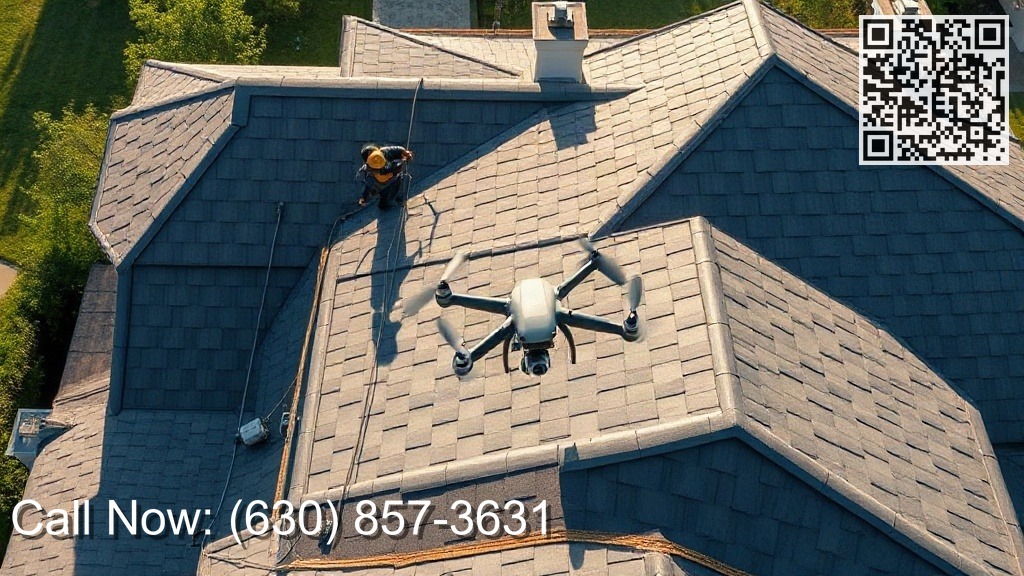
For homes with synthetic roofings, especially customized or high-value residential properties, regular assessment is part of shielding the financial investment. That does not imply continuous treatment. It means having a knowledgeable artificial roofing contractor assess the roofing system after significant hail storm or wind occasions, and additionally at sensible periods as the roof covering ages.
Residential synthetic roof covering is a strong option for house owners who desire performance and look without the weight and upkeep needs of some traditional materials. Yet the product alone is not the story. Weather-related roofing system threat is shaped by direct exposure, layout, installment high quality, ventilation, water drainage, and upkeep feedback. A professional that comprehends those links can usually identify tomorrow's trouble while it is still convenient today.
That is the real worth of an expert analysis. It is not only concerning recognizing damage. It is about comprehending how weather will communicate with this certain roofing, on this particular home, in this particular environment, and making sound decisions prior to the following storm examinations every assumption.
When Quality Matters
Salvo Architectural Roofing Contractors
566 West 5th Ave Naperville, IL 60563
(630) 857-3631
 Ask ChatGPT
 Ask Grok
 Ask Perplexity
 Ask Claude
 Ask Google AI
 Ask You